


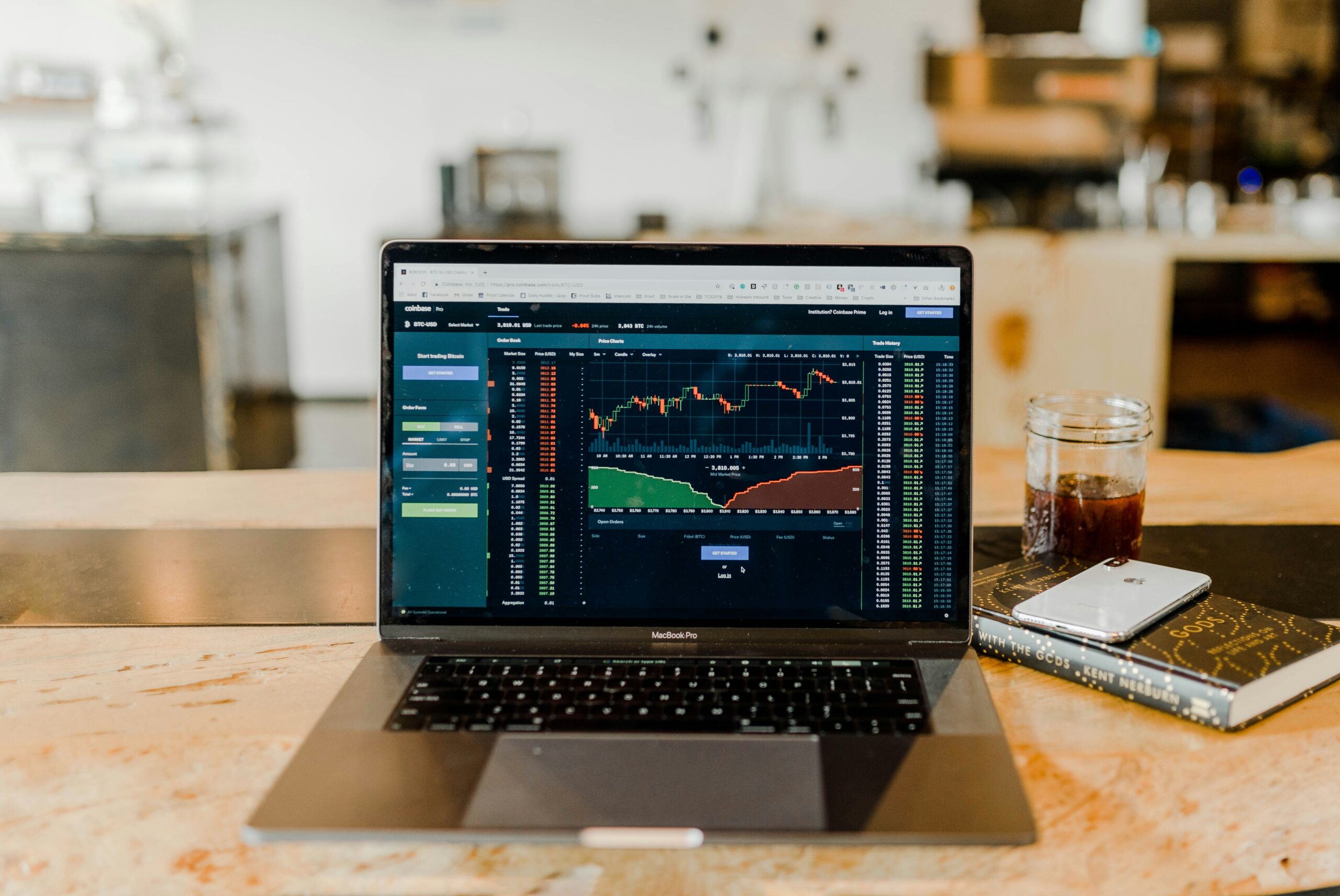


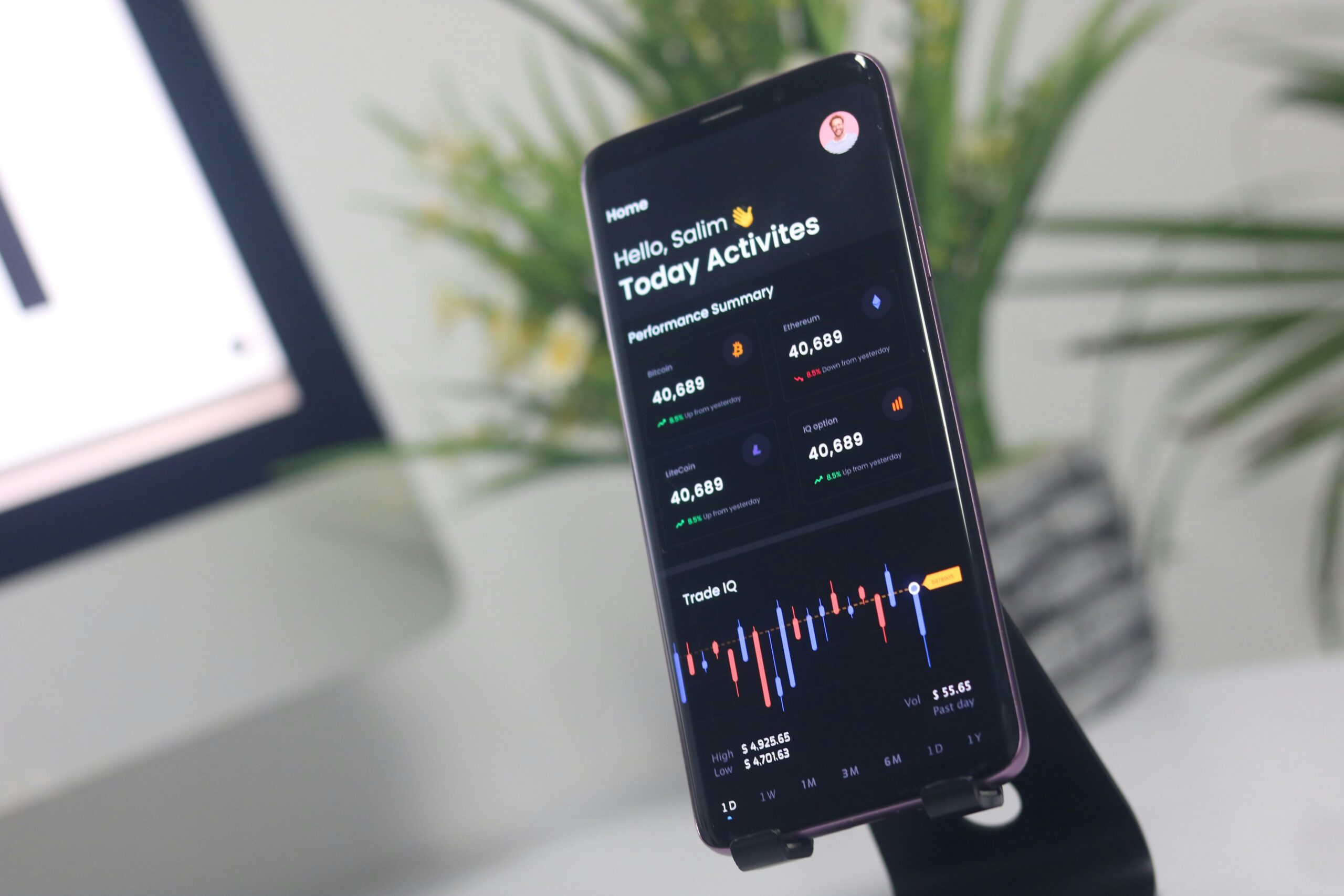
Opening an investment account has never been easier. In most cases, the process takes less than fifteen minutes. Identity verification is digital. Funding is automated. Interfaces are clean and reassuring.
Table of Contents
- Why Platform Choice Is More Than Interface
- How to Choose an Investment Platform Based on Structure, Not Marketing
- Regulatory Protection and Custody Structure
- Fee Structure Beyond “Commission-Free”
- Execution Quality and Platform Reliability
- Account Types and Tax Reporting
- Platform Lock-In and Switching Costs
- User Experience and Behavioral Influence
- A Practical Evaluation Framework
- Conclusion
However, understanding how to choose an investment platform properly requires looking beyond onboarding speed and visual design. For readers earlier in the investing journey, our guide on how to start investing explains the broader decision process that leads to platform selection.
An investment platform is not just a dashboard. It is infrastructure. It determines how your orders are executed, how your assets are held, how your data is stored, and how easily you can move your capital in the future. Choosing a platform based on aesthetics or popularity can create friction or risk that only becomes visible later.
Understanding how to choose an investment platform carefully ensures that the infrastructure supporting your investments remains stable as your portfolio grows.
Why Platform Choice Is More Than Interface
Most people evaluate investment platforms by their interface. They compare chart designs, app usability, and how quickly trades can be placed. Learning how to choose an investment platform properly requires looking beyond interface design and focusing on the structural elements that support long-term investing.
Two platforms may appear nearly identical on the surface. Both may offer commission-free trading, fractional shares, and mobile access. Yet beneath that similarity, there may be meaningful differences in order routing, asset custody, and operational resilience.
An attractive interface does not guarantee strong execution. A simple onboarding process does not guarantee structural protection. When volatility increases, it is not the design of the dashboard that determines stability. It is the architecture behind it.
Convenience is visible. Infrastructure is not.
How to Choose an Investment Platform Based on Structure, Not Marketing
If you want to understand how to choose an investment platform responsibly, begin by separating presentation from protection. Marketing emphasizes speed, zero-commission trades, and ease of use. Structural evaluation focuses on custody, regulation, and execution reliability.
Before comparing features, ask what risks the platform reduces and what risks it introduces. A strong platform protects assets through regulation and segregation of funds. A weaker one may rely heavily on incentives and growth tactics while minimizing transparency.
The goal is not to find the most popular app. The goal is to choose infrastructure that supports disciplined investing over years, not months.
Structure precedes convenience.
Regulatory Protection and Custody Structure
When learning how to choose an investment platform, one of the most important questions to ask is how your assets are held, protected and under what regulatory framework.
In many jurisdictions, brokerage accounts are subject to regulatory oversight that requires client assets to be segregated from company funds. This reduces the risk that customer assets are used to cover corporate liabilities. However, the strength and enforcement of these regulations vary by country.
Understanding whether the platform is regulated, by whom, and what investor protections exist is essential. In the United States, brokerage firms are typically members of the Securities Investor Protection Corporation (SIPC), which provides limited protection if a brokerage fails. Other countries have different structures and limits.
Equally important is custody. Does the platform hold assets directly, or does it use a third-party custodian? If the company were to experience operational disruption, how accessible are your assets?
Security is not a feature. It is a foundation.
Fee Structure Beyond “Commission-Free”
Many platforms advertise zero-commission trading. While this removes explicit transaction fees, it does not eliminate costs entirely.
Platforms may generate revenue through payment for order flow, spreads on foreign exchange transactions, margin lending, or subscription tiers. These costs may not be obvious during onboarding.
When learning how to choose an investment platform, evaluate the total economic model rather than focusing only on headline commissions. For long-term investors who trade infrequently, small hidden costs may have limited impact. For active traders or those investing internationally, spreads and currency conversion fees can accumulate meaningfully.
When evaluating fee structures, consider:
- Trading commissions
- Account maintenance fees
- Currency conversion costs
- Withdrawal or transfer fees
- Margin rates
Free does not always mean costless.
Execution Quality and Platform Reliability
Execution quality refers to how efficiently your trades are processed. This includes speed, price improvement, and stability during market volatility.
In calm markets, most platforms perform adequately. The true test occurs during periods of high activity. If a platform experiences outages or order delays during volatility, the consequences can be significant.
For long-term investors placing infrequent trades, minor execution differences may not materially affect outcomes. This is especially true when investing in diversified assets such as index funds or ETFs, which we explain in our guide to investment types like stocks, bonds, and funds. For those managing larger positions or using limit orders strategically, reliability becomes more important.
Performance under stress reveals more than performance during calm. Anyone learning how to choose an investment platform should evaluate how the platform behaves during periods of extreme market activity.
Account Types and Tax Reporting

Not all investment platforms offer the same account structures. Depending on your jurisdiction, you may need access to tax-advantaged retirement accounts, business investment accounts, or custodial accounts.
For professionals with complex income structures, tax reporting clarity matters. Does the platform provide consolidated statements? Are realized gains and dividend reports easily accessible? Is historical transaction data exportable for accounting purposes?
Administrative efficiency is part of investment infrastructure.
Platform Lock-In and Switching Costs
Opening an account is easy. Transferring assets can be less so.
Before committing, consider how easily you could move your holdings elsewhere if needed. Are there transfer fees? Are fractional shares transferable or must they be liquidated? Is the account closure process straightforward?
When evaluating how to choose an investment platform for the long term, flexibility matters as much as cost. Platforms occasionally change pricing structures, remove features, or adjust policies. Your ability to respond depends on how easily you can exit.
Ownership includes the ability to leave without disproportionate friction. This is another reason why understanding how to choose an investment platform carefully at the beginning can prevent unnecessary complications later.
User Experience and Behavioral Influence
While infrastructure and security form the foundation, user experience influences behavior.
Some platforms are designed to encourage frequent engagement through notifications, trending asset displays, or gamified elements. For long-term investors, these features can unintentionally increase trading frequency.
A disciplined investor benefits from an environment that reinforces patience rather than urgency. If the interface constantly promotes short-term movement, it may conflict with a long-term strategy.
Understanding investing risk can also reinforce this discipline by helping investors focus on long-term outcomes rather than short-term market noise.
Design influences discipline.
A Practical Evaluation Framework
Before opening an account, ask yourself:
- Is the platform regulated in a reputable jurisdiction?
- How are client assets held and protected?
- What are the true costs beyond headline commission rates?
- How reliable is the platform during volatility?
- Does the interface reinforce my investing strategy rather than undermine it?
- How easy would it be to transfer assets if necessary?
Answering these questions clarifies how to choose an investment platform based on structure rather than surface appeal.
Investment platforms are not interchangeable apps. They are custodians of long-term capital.
Conclusion
Understanding how to choose an investment platform is not a cosmetic decision. It is an infrastructure decision that affects security, cost, and behavioral alignment over time.
A clean interface and simple onboarding process are valuable, but they are secondary to custody, regulatory oversight, fee transparency, and execution reliability. When those elements are understood, convenience becomes an enhancement rather than a risk.
Understanding how to choose an investment platform thoughtfully ensures that your infrastructure supports your strategy rather than undermines it.
If you want to revisit the broader decision sequence that leads to this point, return to our guide on How to Start Investing. Platform selection sits within that larger structure.
Infrastructure deserves deliberate selection.









No Comments