




The financial tools market has expanded rapidly over the past decade. Budgeting apps promise control. Investment platforms promise simplicity. Automation tools promise optimization. Each interface is designed to appear intuitive, intelligent, and indispensable.
Table of Contents
- Why Financial Tools Feel More Powerful Than They Are
- Start With the Problem, Not the Product
- How to Evaluate Financial Tools Using Structural Filters
- Cost Structure
- Behavioral Fit
- Flexibility and Exit Cost
- Risk and Security
- Simplicity Versus Feature Overload
- When Free Is Actually Expensive
- The Right Tool Often Feels Boring
- A Practical Evaluation Checklist
- Conclusion
Learning how to evaluate financial tools properly prevents costly mismatches and unnecessary subscriptions. Most of these tools are not inherently flawed. The problem is not quality. It is mismatch. Professionals often adopt tools based on presentation rather than alignment, only to abandon them months later when the novelty fades and friction remains.
Evaluating financial tools requires stepping outside the marketing narrative and returning to structure. A tool should support your money system, not become your system.
Why Financial Tools Feel More Powerful Than They Are
Financial technology companies invest heavily in interface design because perception influences adoption. Clean dashboards, visual analytics, and automated insights create a sense of control even before meaningful financial progress occurs.
For example, two budgeting platforms may offer identical core functions: expense tracking, categorization, and reporting. Yet one feels more “intelligent” because it presents colorful breakdowns and predictive language. The experience feels advanced, even if the underlying function is unchanged.
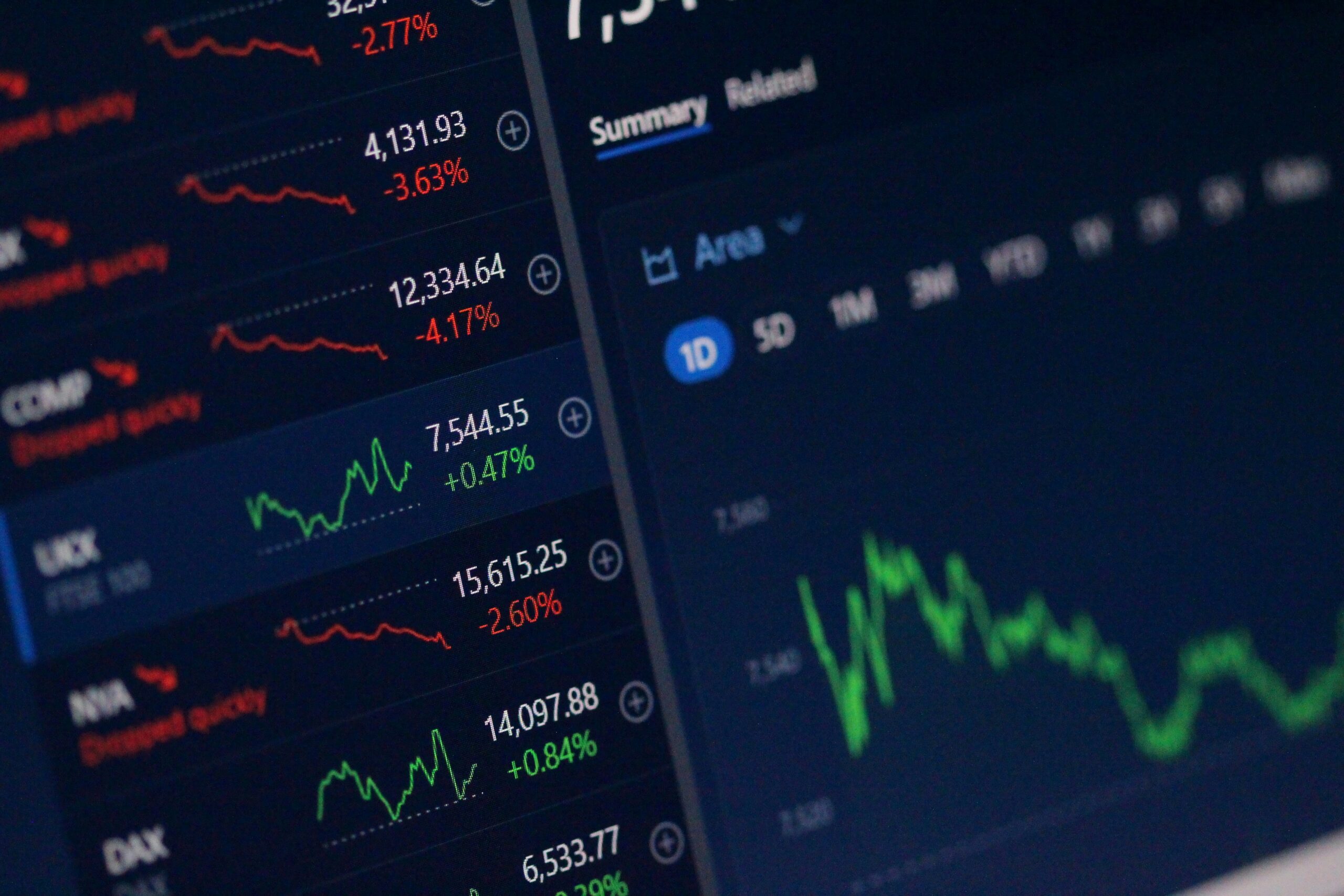
Similarly, an investment platform may emphasize advanced charts and real-time updates, creating the impression of sophistication. For beginners comparing platforms, understanding how to start investing helps clarify which tools are actually necessary before selecting a platform. For a consultant or analyst accustomed to data-heavy environments, this can feel aligned. Yet the additional complexity may not improve long-term allocation decisions.
Visual appeal does not equal financial impact. It simply reduces the friction of adoption. Perception amplifies features. Structure determines results.
Start With the Problem, Not the Product
Most tool decisions begin with exposure rather than need. A colleague mentions a platform. An advertisement highlights automation. A feature list promises efficiency. The product enters consideration before the problem is clearly defined.
If you want to evaluate financial tools effectively, begin by identifying the precise financial friction you are trying to address. Are you struggling with expense visibility? Inconsistent investing? Poor tax organization? Manual reporting inefficiencies?
Consider a consultant earning variable income. The friction may not be budgeting itself but cash flow volatility. In that case, a forecasting tool may be more relevant than a standard expense tracker. Without clarifying the problem, the wrong category of tool may be selected entirely.
Tools are most effective when they address a defined behavioral gap rather than a vague desire for improvement. Clarity precedes utility.
How to Evaluate Financial Tools Using Structural Filters
Most marketing focuses on features. Sustainable evaluation requires filters. When professionals evaluate financial tools with discipline, they prioritize long-term alignment over short-term appeal.
Cost Structure
Cost should be evaluated beyond the monthly subscription. Does the platform charge transaction fees? Are premium features required for meaningful functionality? What is the long-term expense relative to the financial benefit it provides?
For a professional earning six figures, a modest subscription may seem negligible. However, when multiple tools are layered together, costs compound. If a tool saves time or reduces costly mistakes, it may justify its price. If it primarily provides aesthetic reporting, its value may be superficial.
Financial tools should either increase clarity or reduce friction enough to offset their cost.
Behavioral Fit
Behavioral alignment is often overlooked. Some individuals prefer hands-on control and manual oversight. Others prefer automation and minimal interaction.
An analyst who values granular visibility may prefer spreadsheet-based tracking because it reinforces engagement. Another professional may benefit from automation that removes daily decision fatigue.
A tool that conflicts with your behavioral tendencies will eventually be abandoned, regardless of its sophistication. The right tool fits how you think, not how it markets itself.
Flexibility and Exit Cost
Switching costs matter. Can you export your data easily? Does the platform lock you into proprietary structures? What happens if pricing changes?
For example, an investment platform may offer attractive onboarding incentives but make transferring assets cumbersome. A budgeting app may limit historical data exports behind premium tiers.
Flexibility protects autonomy. Control includes the ability to leave.
Risk and Security
Financial tools handle sensitive data and, in some cases, direct access to funds. Regulation, data protection standards, and custody arrangements are not minor details.
For investment platforms, understand who holds the assets and under what regulatory framework. For financial apps, review data-sharing policies. Free tools may monetize through aggregated insights or targeted promotions.
Security is not optional simply because convenience is attractive. Risk management is part of how you evaluate financial tools responsibly.

Simplicity Versus Feature Overload
More features do not automatically produce better outcomes. Complexity can increase abandonment risk, particularly for professionals already managing demanding workloads.
An investment platform with advanced charting tools may appeal to someone with analytical instincts. However, if the additional data does not materially influence allocation decisions, it becomes noise.
Similarly, budgeting apps that categorize transactions into dozens of subgroups may create reporting precision without behavioral change.
Simplicity often enhances consistency. Tools that reduce cognitive load are more likely to remain in use. Functionality should support discipline, not overwhelm it.
When Free Is Actually Expensive
Free tools often lower adoption barriers, but their incentives may differ from subscription-based platforms. Revenue may be generated through data partnerships, cross-selling, or embedded financial products.
A free budgeting app that promotes credit offers or investment upgrades introduces behavioral nudges. Over time, these prompts can influence decisions subtly.
This does not mean free tools are inherently problematic. It means the economic model behind the tool should be understood. If you are not paying for the product, you should understand how the product is paying for itself.
Incentives shape outcomes.
The Right Tool Often Feels Boring
Effective financial tools rarely produce emotional spikes. They function quietly, reinforcing routine behavior without constant stimulation.
A well-designed expense tracking system does not need gamified streaks to be effective. A disciplined investment platform does not require real-time notifications to encourage sound allocation decisions.
When a tool reduces drama and increases clarity, it is performing its role properly. Stability is more valuable than stimulation.
A Practical Evaluation Checklist
Before adopting any financial tool, ask yourself these questions to ensure you are choosing it for structural reasons rather than trend appeal:
- What specific problem am I solving?
- What behavior does this tool reinforce?
- What is the total long-term cost?
- How easily can I exit if needed?
- Does it reduce friction or simply repackage it?
Answering these questions forces alignment between the tool and your system. Tools amplify existing structures. They do not replace judgment.
Conclusion
Financial tools are designed to feel empowering, but empowerment without evaluation can create dependency. The most sophisticated interface cannot compensate for unclear objectives or inconsistent behavior.
When you evaluate financial tools through structure rather than exposure, they become supportive infrastructure rather than distractions. Marketing will always emphasize innovation. Sustainable progress depends on alignment.
If you are currently considering a new tool, pause before signing up for a trial. Write down the three manual steps you are trying to eliminate, then determine whether automation genuinely improves your system or merely repackages it.
Your judgment determines whether a tool becomes leverage or liability, which is why developing financial confidence matters when making financial decisions.










No Comments