

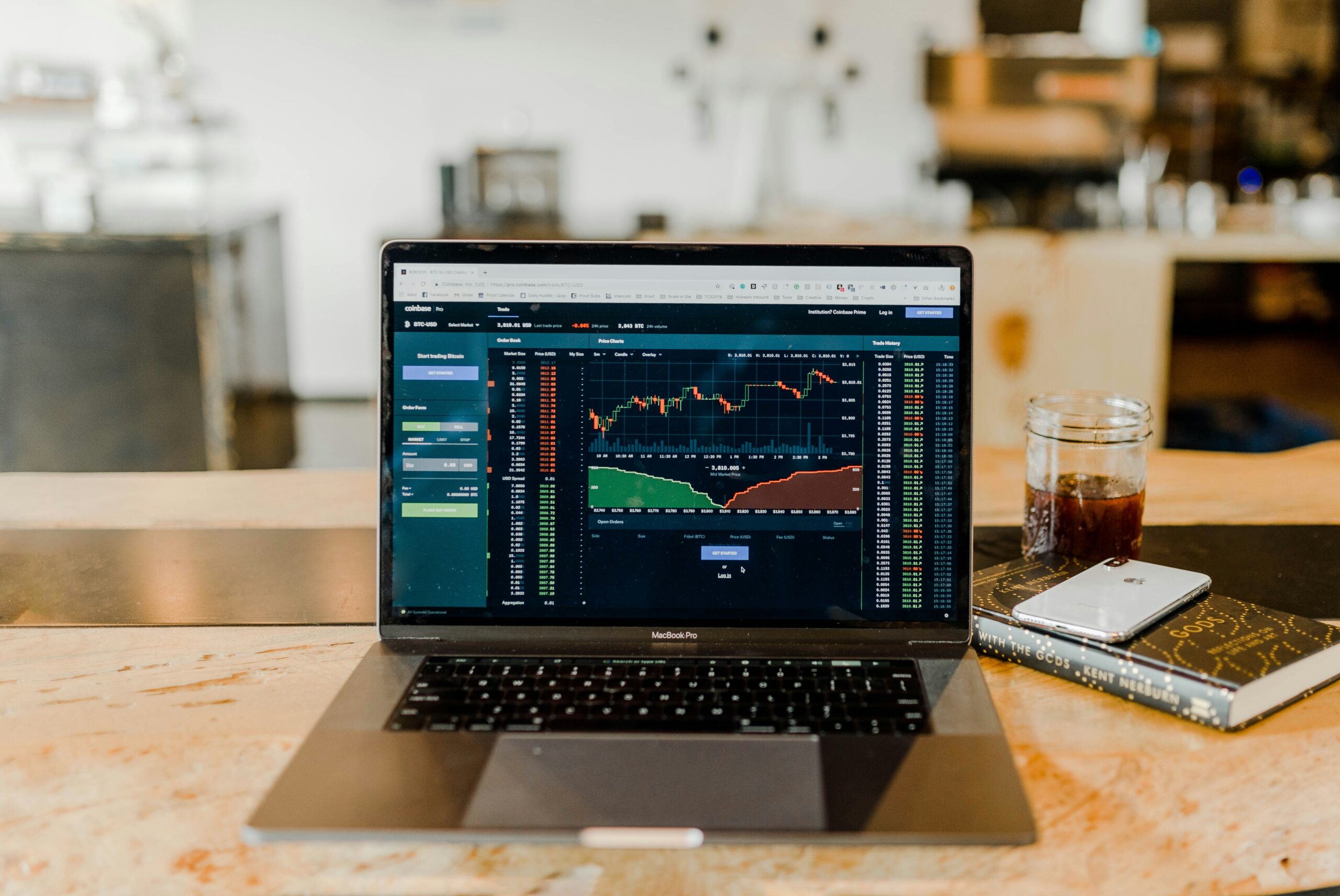


The debate around budgeting apps vs spreadsheets is rarely about technology. It is about system design. Each approach reflects a different philosophy of managing financial data. One prioritizes automation and efficiency. The other prioritizes awareness and customization.
Table of Contents
- Budgeting Apps vs Spreadsheets: Two Different System Architectures
- The Case for Spreadsheets: Control, Customization, and Awareness
- The Case for Budgeting Apps: Efficiency and Operational Stability
- Budgeting Apps vs Spreadsheets: The Awareness vs Automation Trade-Off
- Technical Debt, Platform Risk, and Maintenance Costs
- Choosing Based on Behavioral Context
- Can a Hybrid System Work?
- Budgeting Apps vs Spreadsheets: Quick Comparison
- Final Thoughts
When people ask which system actually works, they are often looking for a universal answer. There isn’t one. The effectiveness of either system depends less on features and more on behavioral alignment. A professional who thrives on granular control will experience a budgeting app very differently from someone who needs to reduce cognitive load.
The real question in budgeting apps vs spreadsheets is not which tool is superior, but which architecture keeps you consistently engaged with your money goals over the long term.
Budgeting Apps vs Spreadsheets: Two Different System Architectures
At a structural level, the budgeting apps vs spreadsheets comparison reveals that both systems solve the same problem which is tracking and organizing financial information. The difference lies in how that information is collected, processed, and presented.
Budgeting apps rely on automation. They connect to financial accounts, import transactions automatically, and categorize spending with minimal manual effort. The system is largely maintained for you.
Spreadsheets operate differently. They begin as blank frameworks. You design categories, build formulas, and decide how information flows. Every entry is deliberate, and every adjustment is manual unless you build automation yourself.
One architecture reduces friction. The other introduces intentional friction. Neither approach is inherently better. Each shapes behavior in distinct ways.
Architecture influences engagement more than interface.
The Case for Spreadsheets: Control, Customization, and Awareness
In the budgeting apps vs spreadsheets discussion, spreadsheets represent the system architecture built around control and customization.
Spreadsheets offer total flexibility. Because you build the system yourself, it reflects your financial logic rather than a developer’s assumptions. Categories can be as detailed or as simple as you prefer. Reporting can evolve as your income, investments, and tax considerations become more complex.
For consultants, analysts, and structured earners, spreadsheets often function as financial laboratories. You can model variable income projections, forecast quarterly tax liabilities, and analyze spending trends with pivot tables or custom calculations. The system grows alongside your professional complexity.
The most significant advantage of spreadsheets is the awareness created through manual interaction. Entering transactions by hand forces you to confront the details of your financial behavior. The act of typing numbers introduces a moment of reflection that automated systems often remove.
However, this strength can also become a weakness. Manual systems require maintenance. A single busy week can create a backlog of entries. Over time, neglected updates erode accuracy. If maintenance feels burdensome, the system is usually abandoned.
Spreadsheets reward discipline and analytical engagement. They demand participation.
The Case for Budgeting Apps: Efficiency and Operational Stability
In the budgeting apps vs spreadsheets comparison, budgeting apps represent the architecture designed for automation and operational continuity.
Budgeting apps are designed to minimize operational overhead. By syncing with bank accounts and credit cards, they eliminate the labor of manual entry. Transactions appear automatically, categorized and ready for review.
For professionals managing high transaction volume or unpredictable schedules, automation protects consistency. Even during demanding weeks, the system remains current. There is no backlog to clear, no formulas to troubleshoot, and no structure to redesign.
Apps also provide standardized reporting. Spending summaries, category breakdowns, and trend visualizations are presented immediately. For individuals who want clarity without technical involvement, this accessibility is valuable.
However, automation introduces distance. When transactions are imported and categorized without interaction, engagement may decrease. It becomes easier to glance at a total spending number without examining individual behaviors.
Budgeting apps prioritize continuity and convenience. They trade manual depth for operational stability.

Budgeting Apps vs Spreadsheets: The Awareness vs Automation Trade-Off
The central trade-off in budgeting apps vs spreadsheets is the relationship between effort and engagement.
Spreadsheets increase effort, which can heighten awareness. Manual interaction reinforces accountability. However, excessive friction can cause burnout.
Apps reduce effort, which protects consistency. Automation lowers the barrier to entry and minimizes maintenance. However, low friction can lead to passive oversight.
Consider a consultant who manually tracks every expense in a spreadsheet. The weekly process sharpens awareness but requires dedicated time. If client workload increases, that time may disappear. The spreadsheet then becomes outdated.
Now consider the same consultant using an automated budgeting app. Transactions sync automatically, ensuring continuity. Yet without deliberate review, subtle spending patterns may go unnoticed.
The ideal system balances awareness and sustainability. Too much friction causes abandonment. Too little friction reduces insight.
Long-term success depends on manageable engagement, not intensity.
Technical Debt, Platform Risk, and Maintenance Costs
In the budgeting apps vs spreadsheets comparison, every financial system carries maintenance responsibility. The difference lies in who absorbs it.
With spreadsheets, you own the technical debt. If a formula breaks or reporting needs evolve, you are responsible for adjustments. Over time, complex spreadsheets can become fragile legacy systems that require careful updates.
Budgeting apps shift technical maintenance to the provider. Subscription fees fund infrastructure stability, software updates, and bank integrations. You are paying for outsourced reliability.
However, this introduces platform risk. If an app changes its pricing structure, removes a feature, or alters its interface, you must adapt. Data export options may be limited. Customization is constrained by the platform’s design.
Spreadsheets provide ownership and flexibility. Apps provide convenience and managed infrastructure.
Control and convenience rarely coexist fully.
Choosing Based on Behavioral Context
The appropriate system depends on your current financial season and temperament.
If you are attempting to correct spending habits, a spreadsheet may be beneficial. Manual entry increases awareness and forces confrontation with behavior. The added friction acts as a corrective mechanism.
If your financial habits are already stable and you primarily need financial monitoring rather than intervention, an app may provide sufficient oversight without unnecessary complexity.
For professionals with irregular income, spreadsheets often offer superior forecasting flexibility. For those with predictable income and limited time, automated apps protect continuity.
Your personality matters as well. If you enjoy structured data and analysis, spreadsheet maintenance may feel engaging rather than burdensome. If you view financial tracking as a necessary but secondary task, automation reduces resistance.
System failure usually reflects misalignment, not tool weakness.
Can a Hybrid System Work?
In the budgeting apps vs spreadsheets debate, many professionals eventually adopt a hybrid approach. Many professionals adopt a hybrid approach rather than budgeting vs spreadsheets approach. A budgeting app handles daily transaction aggregation, while a spreadsheet manages long-term forecasting, net worth tracking, or tax planning.
This structure leverages automation for routine visibility while preserving analytical depth where needed. It also reduces technical debt in one area while retaining control in another.
Hybrid systems require clarity of boundaries. Without defined roles, duplication or confusion can emerge.
When structured intentionally, hybrid systems combine efficiency with customization.
Budgeting Apps vs Spreadsheets: Quick Comparison
When comparing budgeting apps vs spreadsheets, the difference becomes clearer when their core strengths are viewed side by side.
Budgeting apps emphasize automation. Transactions sync automatically, reporting updates instantly, and maintenance requires minimal effort. For professionals with limited time, this automation protects consistency.
Spreadsheets emphasize control. Every category, formula, and report can be customized. For individuals who prefer deeper financial analysis or variable income forecasting, this flexibility provides stronger oversight.
In the budgeting apps vs spreadsheets decision, the choice often comes down to behavioral alignment. If automation increases consistency, an app may be appropriate. If manual engagement strengthens awareness, spreadsheets may provide greater long-term value.
Final Thoughts
Neither budgeting apps nor spreadsheets can compensate for a lack of intention. A tool reflects behavior; it does not transform it independently.
When evaluating budgeting apps vs spreadsheets, focus on architecture rather than aesthetics. Ask whether the system reinforces the behavior you are trying to build and whether you can maintain it consistently under professional pressure.
If you value control and analytical depth, build a spreadsheet that evolves with your complexity. If you prioritize operational stability and reduced cognitive load, adopt an app that maintains continuity automatically. Both paths can produce clarity when aligned with temperament and financial structure.
The system that works is the one you can sustain.









No Comments