






Understanding investing risk is one of the most important parts of becoming a thoughtful investor. Yet despite how frequently the term appears in financial conversations, it is rarely explained in a way that helps people understand what it actually means.
Table of Contents
- Why Investing Risk Is the Most Misunderstood Concept in Investing
- Risk and Return Are Connected, Not Separate
- Volatility Is Not the Same as Losing Money
- Where Investing Risk Actually Comes From
- Behavioral Risk
- Structural Risk
- Relevance Risk
- Why Avoiding Risk Can Create a Different Kind of Risk
- How Risk Changes Over Time
- What This Means for How You Approach Investing
- Final Thoughts
For many people, investing risk becomes shorthand for danger or loss rather than something that can be analyzed and managed. This misunderstanding is one of the main reasons investing feels intimidating, even for individuals who are otherwise financially responsible and disciplined with money.
This article explores where investing risk actually comes from, how it behaves over time, and why reacting emotionally to uncertainty often leads to worse outcomes. If you’re new to the topic, it may help to first read our guide on how to start investing step by step.
When investing risk is understood clearly, decision-making becomes calmer, more deliberate, and far more aligned with long-term financial goals.
Why Investing Risk Is the Most Misunderstood Concept in Investing
In everyday language, risk usually means the chance that something will go wrong. In investing, the word is often used in the same way, which creates unnecessary anxiety.
Investing risk is not a single thing. It is not a guarantee of loss, and it is not something that appears only when markets decline. Risk is simply the uncertainty around outcomes. Some investments fluctuate more than others, some are sensitive to economic changes, and some depend heavily on long-term trends. None of this automatically makes them bad or unsafe.
The problem arises when risk is treated as something binary, where investments are labeled either “safe” or “risky.” That framing oversimplifies reality and pushes people toward decisions based on comfort rather than understanding. In practice, every financial choice involves trade-offs, and risk is part of how those trade-offs are expressed.
Understanding risk properly requires moving away from fear-based interpretations and toward clarity about how uncertainty works.
Risk and Return Are Connected, Not Separate

One of the most important realities in investing is that risk and return are linked. Returns do not appear randomly, and they do not exist in a vacuum. They are compensation for taking on uncertainty.
If an investment carried no uncertainty at all, there would be little reason for it to offer meaningful growth. Higher potential returns exist because outcomes are not guaranteed. Lower uncertainty generally comes with lower growth expectations. This relationship is not a rule designed to punish investors; it is the foundation of how markets function.
Problems occur when people try to separate return from risk, seeking growth without volatility or reward without uncertainty. That mindset often leads to disappointment or to decisions that appear safe on the surface but carry hidden costs.
Understanding this connection does not mean seeking out risk aggressively. It means recognizing that return is not free, and that avoiding all uncertainty usually limits long-term potential.
Volatility Is Not the Same as Losing Money
One of the most common sources of confusion around investing risk is the belief that price movement equals loss. Markets move constantly, and those movements can feel unsettling, especially to newer investors.
Volatility refers to short-term changes in value. Loss occurs only when an investment is sold for less than its purchase price. The difference matters. Many investments experience periods of decline and recovery as part of their normal behavior. These fluctuations are not signs that something has gone wrong; they are part of how markets process information and change over time.
What turns volatility into loss is usually behavior. Selling in response to fear, reacting to headlines, or investing money that was never meant to remain invested are the actions that lock in negative outcomes. Understanding this distinction helps reduce the emotional weight of short-term movements.
When investors expect fluctuations and understand why they happen, those movements lose much of their power to provoke impulsive decisions.
Where Investing Risk Actually Comes From
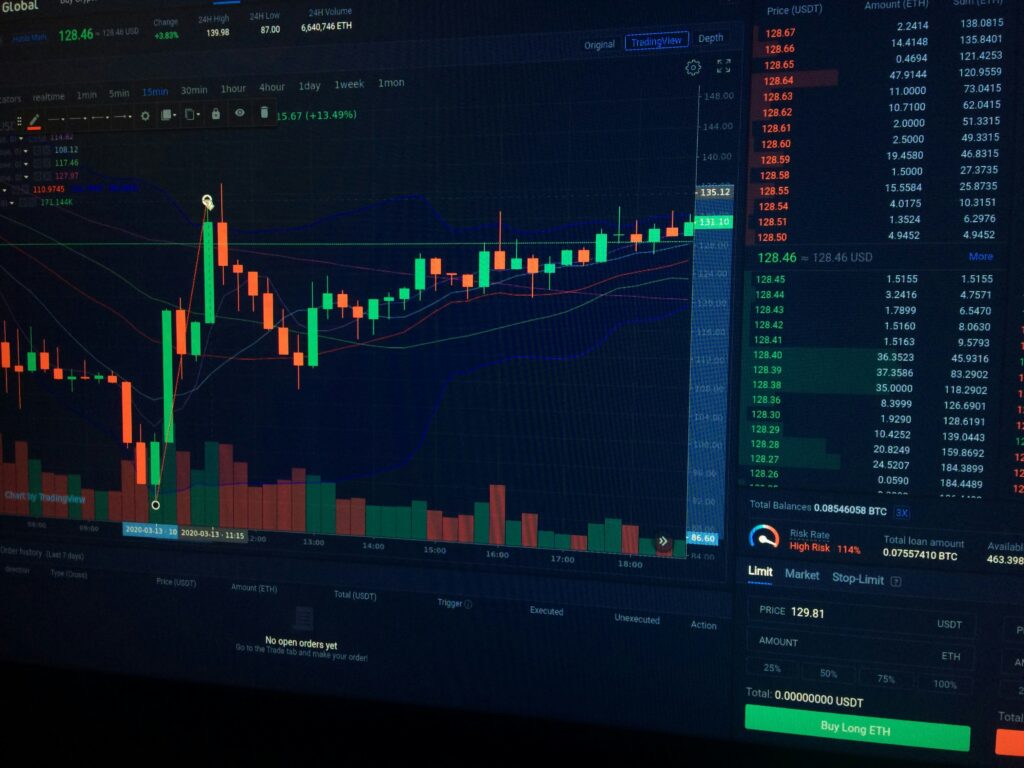
Risk is often blamed on markets themselves, but in reality, much of it comes from how investing decisions are made and structured. Understanding the main sources of risk helps clarify what can be controlled and what cannot.
Behavioral Risk
Behavioral risk is the risk created by human reactions. Many of these patterns are explained further in our guide on the psychology of investing. Fear, impatience, overconfidence, and the urge to follow others all influence decisions, often at the worst possible moments.
Panic selling during downturns, chasing investments after strong performance, or abandoning a plan prematurely are common examples. These actions are rarely driven by new information. They are driven by emotion and discomfort with uncertainty.
Behavioral risk is powerful because it feels justified in the moment. Recognizing it early makes it easier to pause, reassess, and act deliberately rather than reactively.
Structural Risk
Structural risk arises from how investments are used or understood. Investing money for the wrong time horizon, misunderstanding what an investment actually does, or relying on complexity without comprehension all fall into this category.
When money that may be needed soon is placed into investments designed for long-term growth, even normal fluctuations become problematic. Similarly, investing in products or strategies that are not well understood increases the likelihood of poor decisions when conditions change.
Structural risk is not about intelligence. It is about alignment. Investments work best when their structure matches the investor’s needs, timeline, and understanding.
Relevance Risk
Relevance risk is the risk of investing in things that no longer have a durable future. Some businesses, industries, or models decline not because of temporary challenges, but because underlying conditions have changed.
This risk is often overlooked because it does not always show up immediately. An investment may appear inexpensive or familiar while quietly losing relevance over time. Confusing “cheap” with “enduring” is a common mistake.
Relevance risk is not about predicting trends perfectly. It is about recognizing long-term shifts in technology, behavior, regulation, or demand, and understanding that not all declines are temporary.
Why Avoiding Risk Can Create a Different Kind of Risk
Many people assume that avoiding investing altogether is the safest option. While it may feel stable, it carries its own form of risk.
Money that is never invested is exposed to the gradual loss of purchasing power over time. Inflation reduces what cash can buy, even when nominal balances remain the same. This erosion is slow and often invisible, which makes it easy to underestimate.
Avoiding all investment risk may reduce short-term discomfort, but it can increase long-term vulnerability. Understanding this trade-off is essential for making balanced decisions rather than defaulting to inaction.
How Risk Changes Over Time
Time is one of the most important factors in how investing risk behaves. Short time frames magnify uncertainty, while longer horizons tend to smooth it.
Investments held for brief periods are more exposed to short-term fluctuations. Investments held over longer periods have more opportunity to recover from downturns and benefit from growth. This does not eliminate risk, but it changes its nature.
Understanding time as a modifier of risk helps shift focus away from immediate outcomes and toward long-term participation. It also reinforces the importance of matching investments to appropriate timelines, a theme introduced earlier and essential for consistency.
What This Means for How You Approach Investing
Understanding risk does not require eliminating uncertainty or predicting outcomes. It requires recognizing where risk comes from, how it behaves, and which parts of it are within your influence.
When risk is framed clearly, investing becomes less about avoiding discomfort and more about making informed trade-offs. Decisions are guided by purpose, time, and understanding rather than fear or noise.
This perspective does not make investing effortless, but it does make it manageable. Clarity replaces anxiety, and patience replaces urgency.
Final Thoughts
Most people do not struggle with investing because they take too much risk. They struggle because they misunderstand it.
Risk is not an enemy to defeat or a danger to flee. It is a reality to understand. When risk is approached thoughtfully, investing becomes a structured process rather than an emotional gamble.
With this foundation, the next step is to understand how different types of investments behave and why they respond differently to risk and return. That clarity makes future decisions easier to evaluate and far less intimidating.





No Comments